Presentation of the Research “Words that Kill: How Russian Propaganda Shapes Mobilization and Combat Motivation”
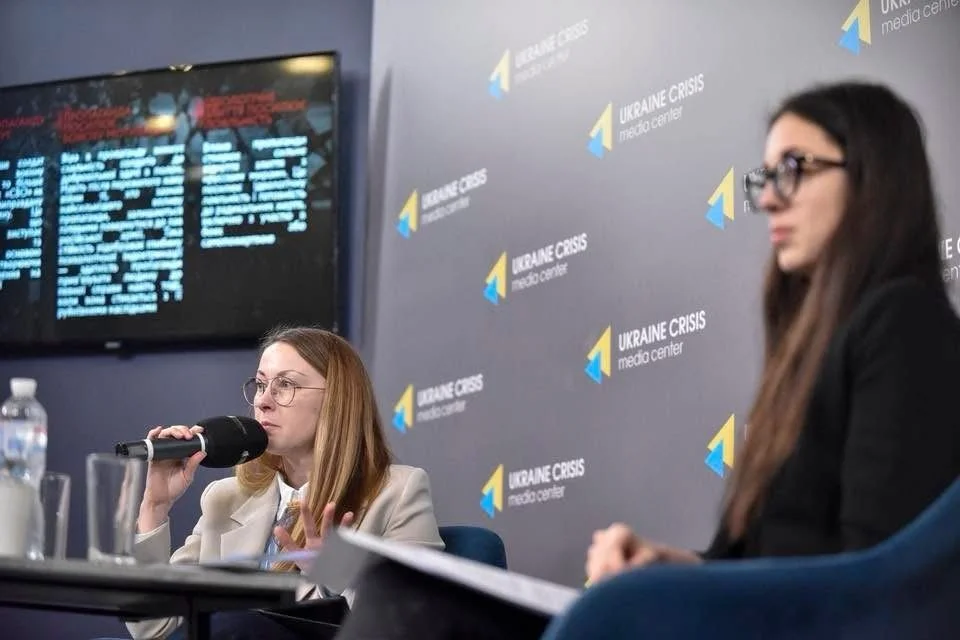
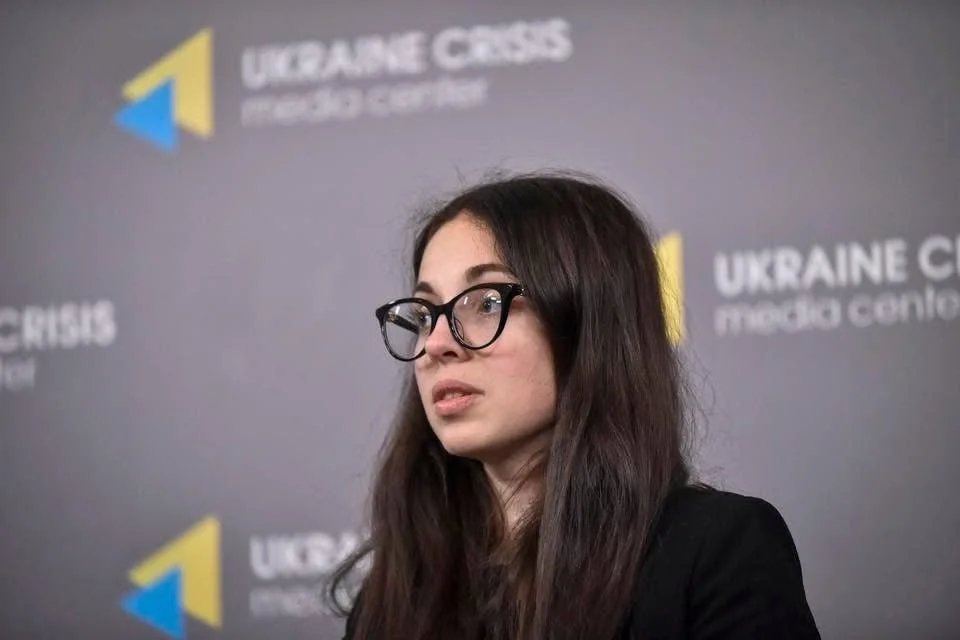
On 25 February 2026, the Ukrainian Crisis Media Center hosted the presentation of the research by NGO LingvaLexa “Words that Kill: How Russian Propaganda Shapes Mobilization and Combat Motivation.” The event brought together journalists from Ukrainian and international media, researchers, human rights advocates, and representatives of civil society.
The event is produced by NGO LingvaLexa with NGO Social Action Centre as a part of the Strong Civil Society of Ukraine - a Driver towards Reforms and Democracy project, implemented by ISAR Ednannia, funded by Norway and Sweden.
The research examines how Kremlin propaganda narratives shape the combat motivation of Russian military personnel and how belief in these narratives correlates with support for the so-called “SMO” and willingness to participate in the war against Ukraine. The empirical basis of the research is unique: it relies on data collected from over 1,000 Russian prisoners of war, enabling researchers to directly trace the link between belief in propaganda and behavioral attitudes of military personnel.
Among the key findings, soldiers who believe in propaganda were six times more likely to perceive the war as justified and legitimate; belief in Russian propaganda increases the level of dehumanization of Ukrainians by 1.5 times; and belief in propaganda doubles the willingness to return to combat while reducing the likelihood of voluntary surrender. The average level of belief in propaganda among respondents was 47.61%, while 76.95% believed in at least one propaganda narrative to some extent.
Anna Vyshniakova, Head of NGO LingvaLexa, emphasized that the findings are significant for ensuring accountability for crimes related to propaganda: “If we aim to ensure genuine criminal accountability for propaganda-related crimes, investigations must target not only the ‘talking heads’ but also the architects and ideologues –those who remain behind the scenes”. According to her, the report contributes to the evidentiary basis demonstrating the substantial role of key propaganda architects in the conduct of the war of aggression. The research may also inform policies aimed at countering propaganda, as well as deradicalization and prevention of mass mobilization programs.
Representatives of NGO Social Action Centre highlighted that war propaganda and hate speech are not merely rhetoric but a fundamental component of the crime against humanity of persecution. Propaganda provides a key legal element of this crime — discriminatory intent — by framing protected groups as an “existential threat” and legitimizing systematic deprivation of their fundamental rights. Monitoring data from organizations within the Ukraine. 5 a.m. Coalition indicate that propaganda narratives often become markers used by Russian military personnel to select victims for torture, unlawful detention, and other crimes, forming a clear pattern of persecution based on national (Ukrainian identity), religious, and ethnic grounds.
The full research is available via the link.