The International Expert Dialogue “When Words Enable War: Addressing War Propaganda Through Justice and Accountability”
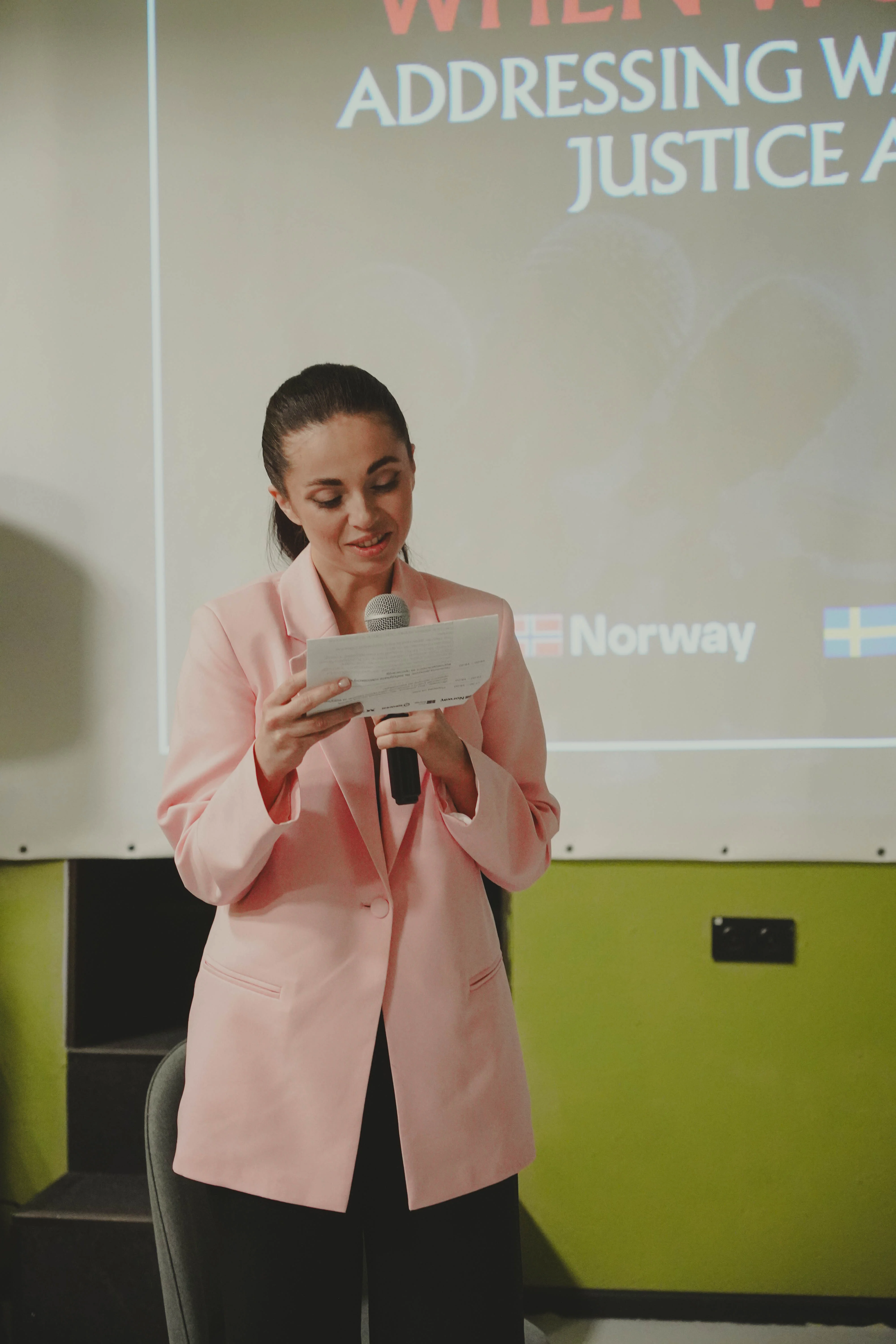
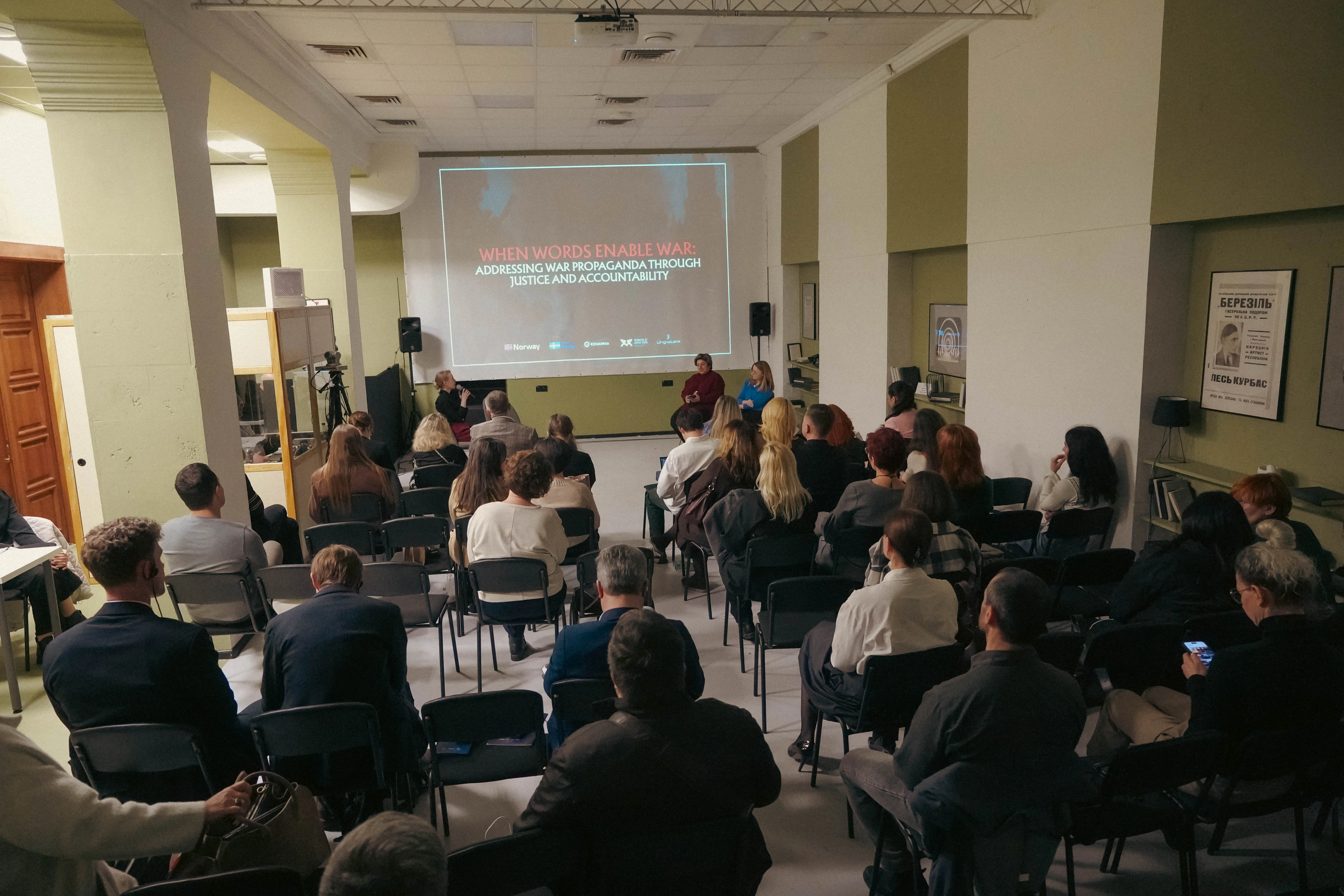
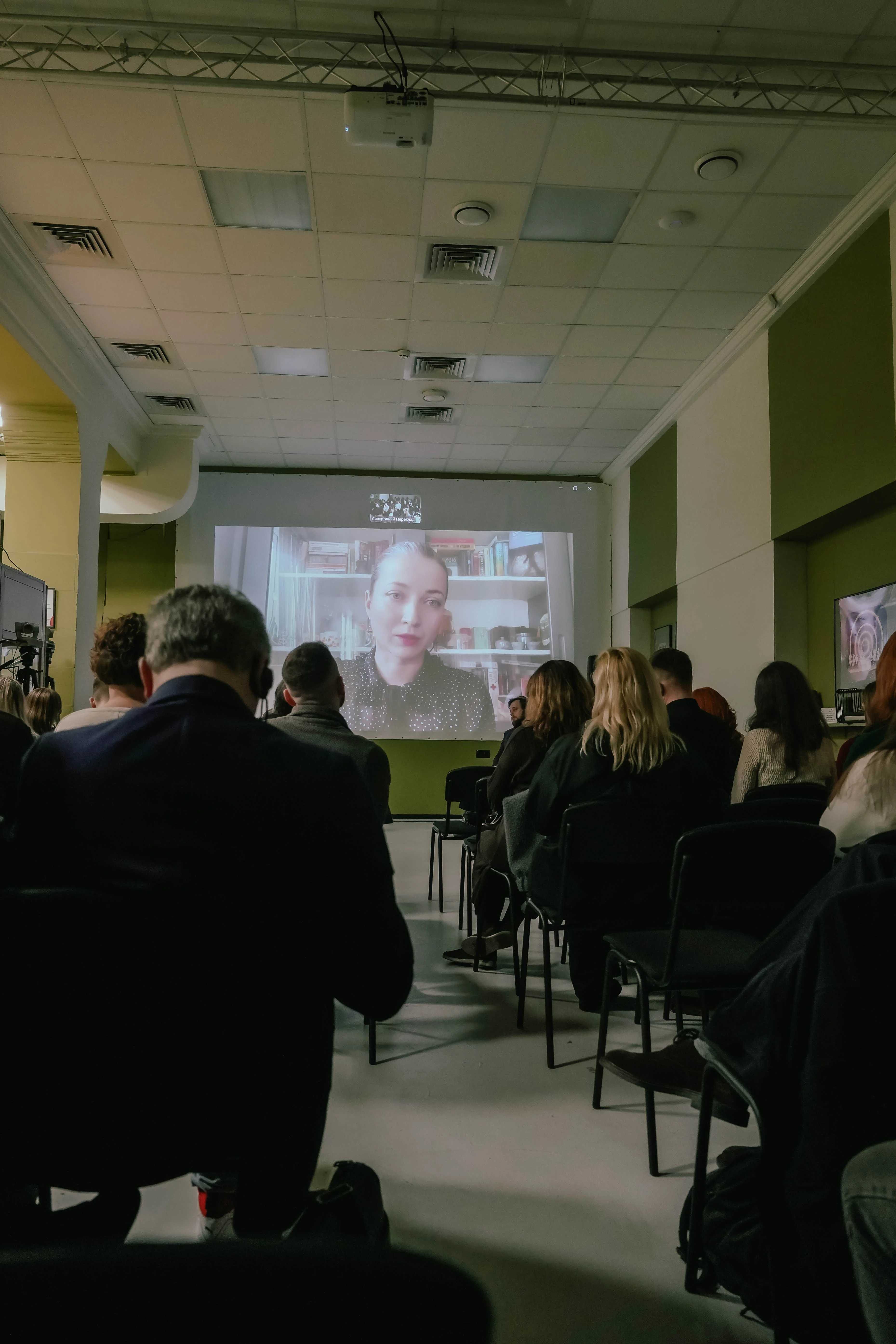
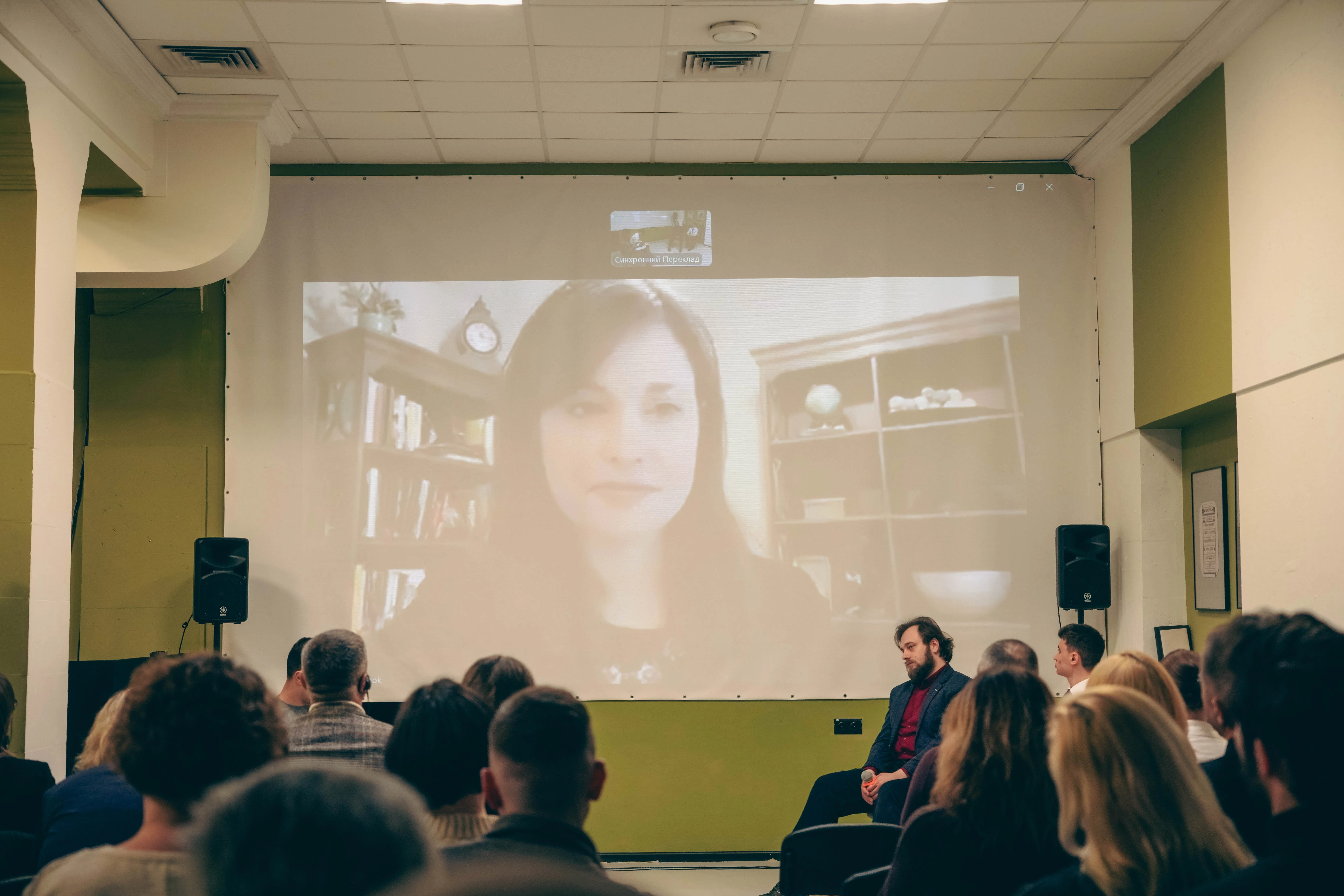
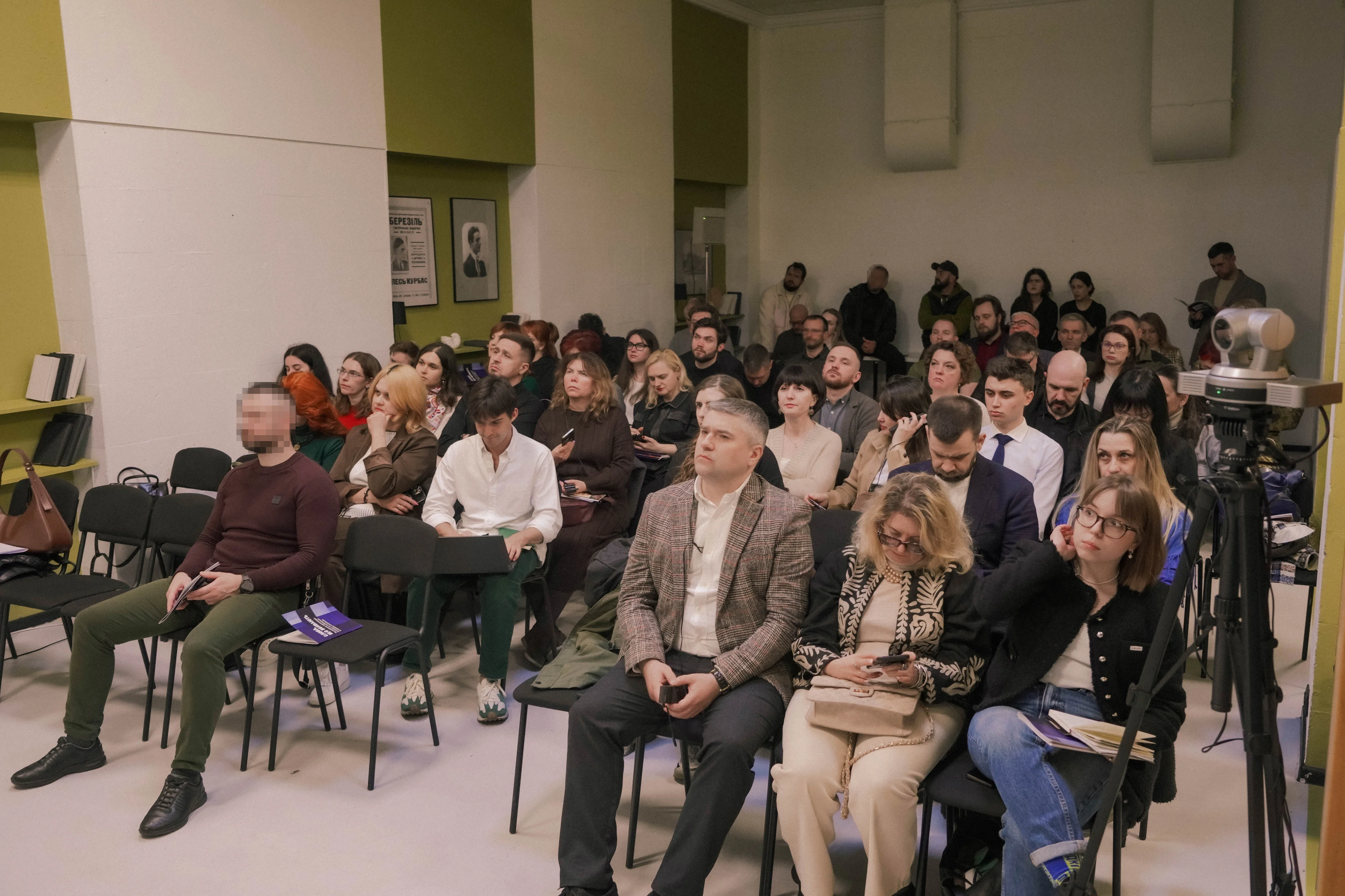
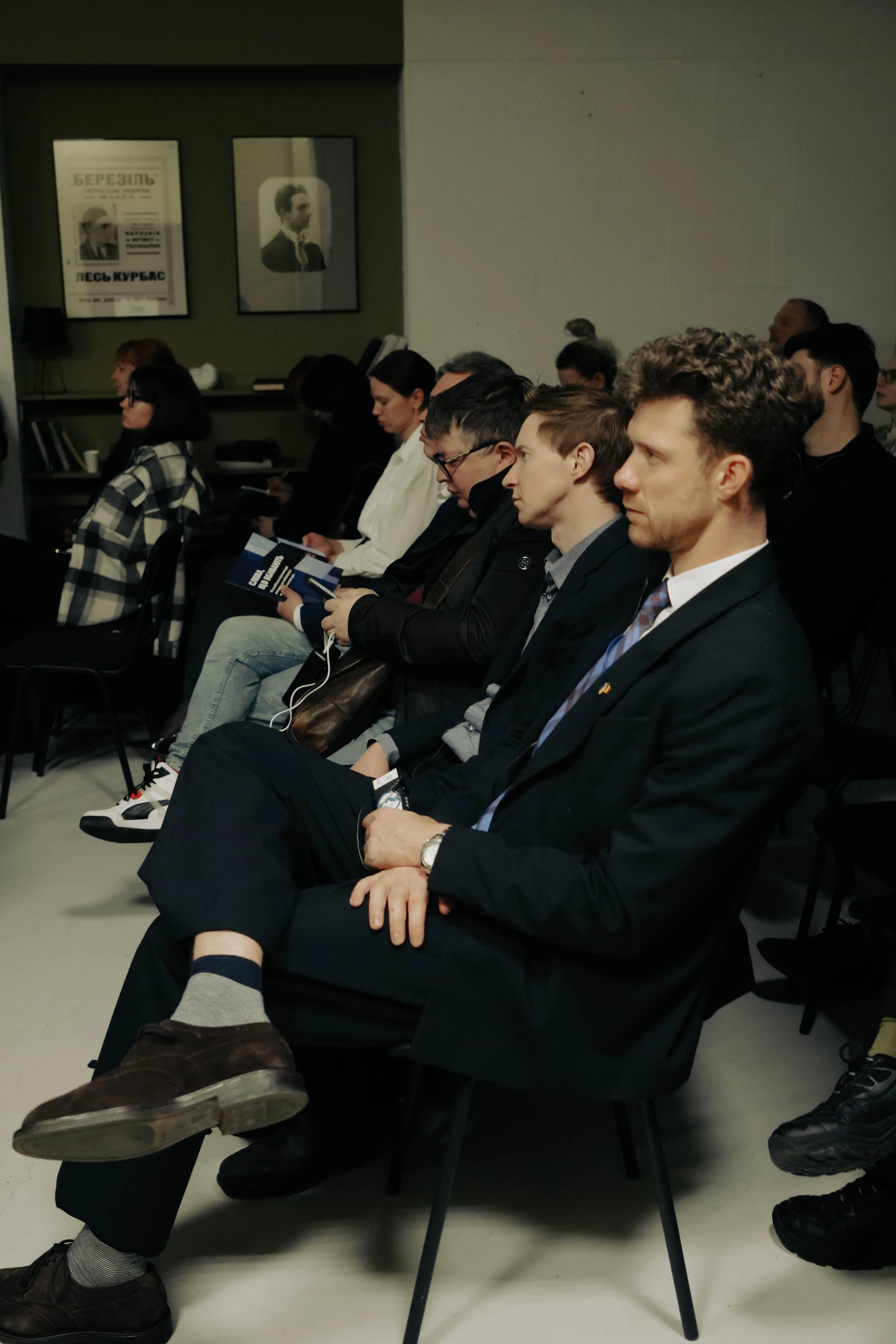
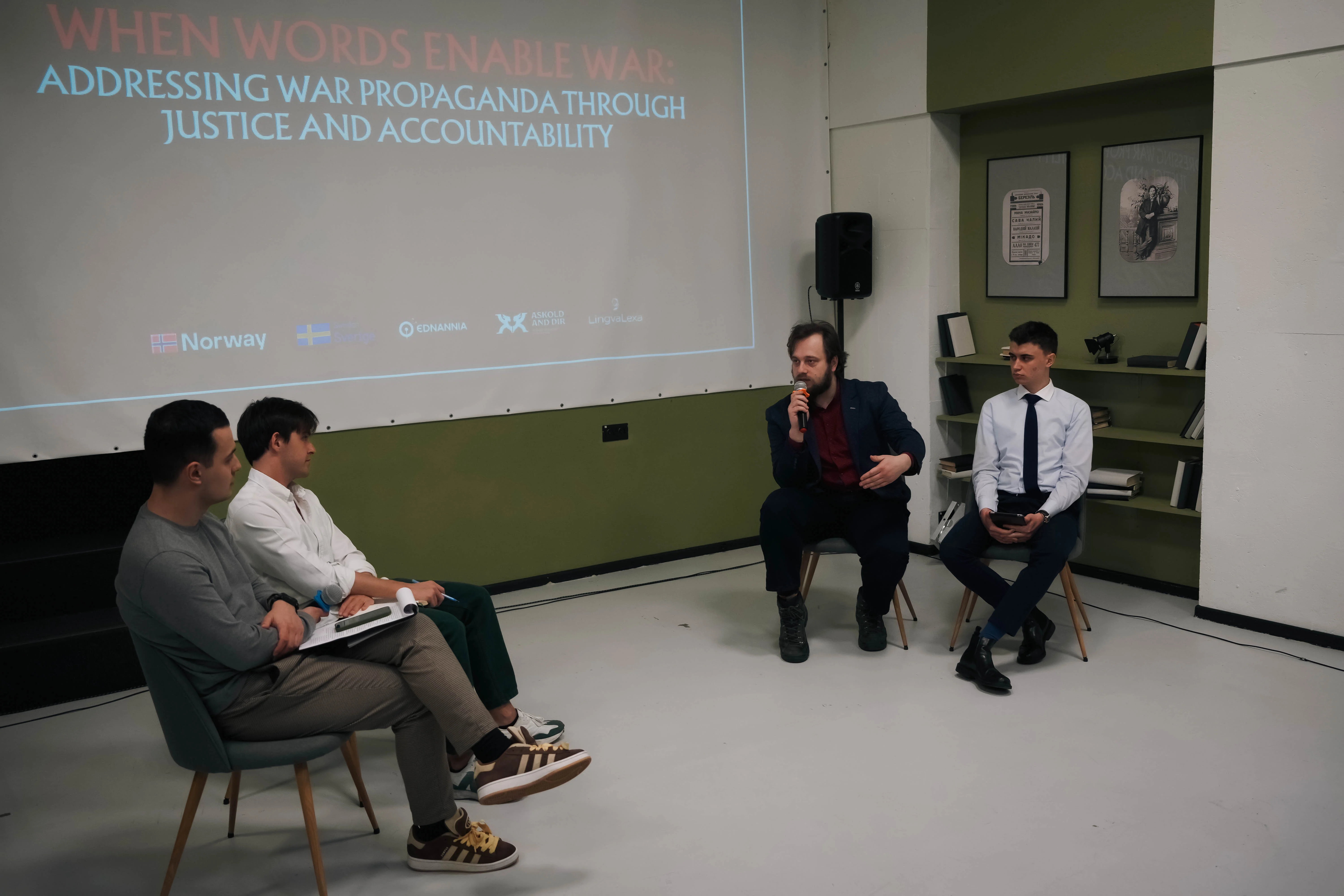
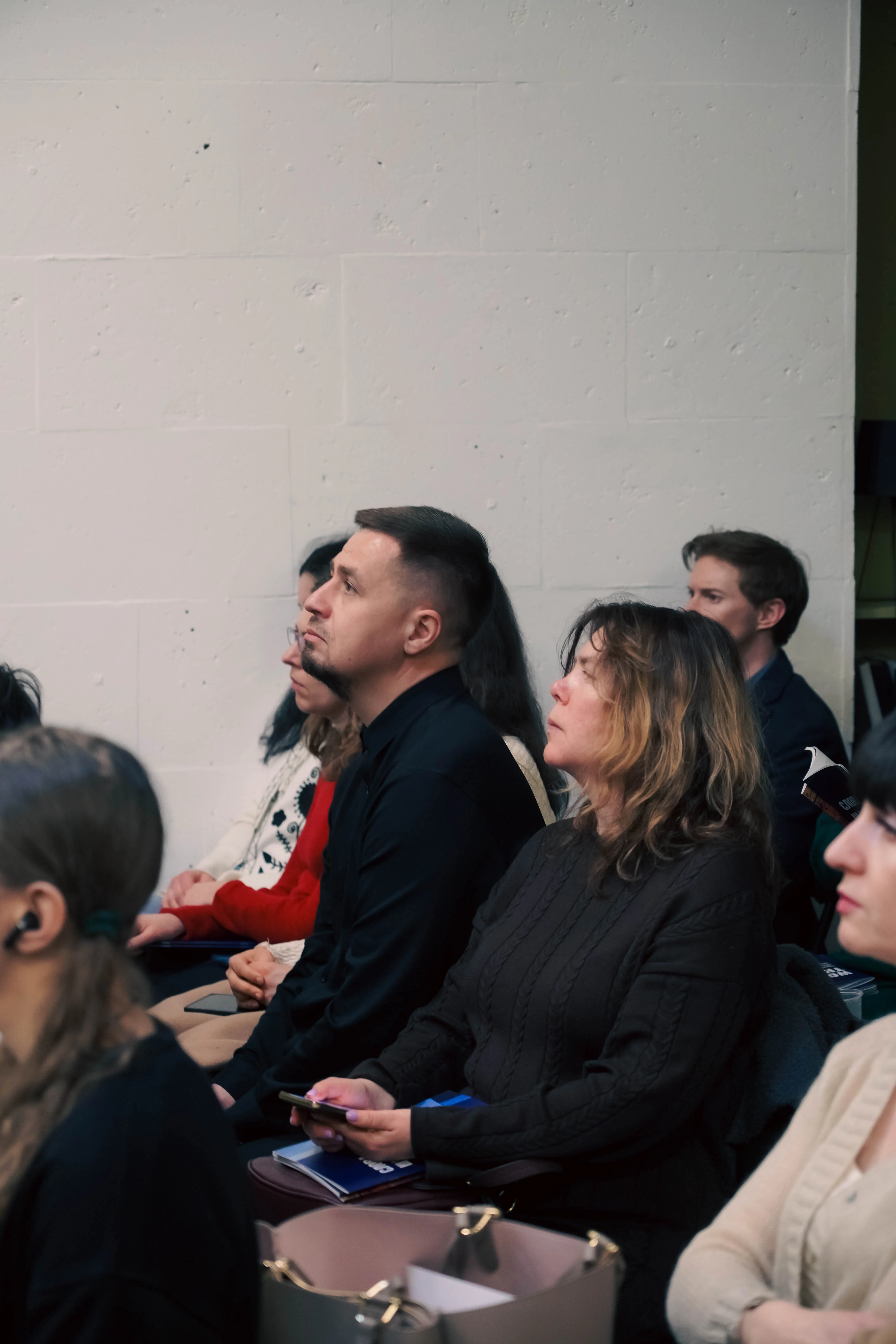
On March 19, The International Expert Dialogue “When Words Enable War: Addressing War Propaganda Through Justice and Accountability” took place in Kyiv.
The event brought together representatives of government authorities, international organizations, the diplomatic corps, legal professionals, researchers, and experts in international law to discuss the role of propaganda as a tool of aggression and to explore effective mechanisms for ensuring accountability for its dissemination.
Opening the event, Head of the organization Anna Vyshniakova emphasized that war propaganda should be understood not merely as a phenomenon, but as a structural element that directly facilitates the commission of international crimes. She highlighted that modern approaches make it possible to translate the impact of propaganda into an evidentiary framework suitable for use in criminal proceedings and international advocacy.
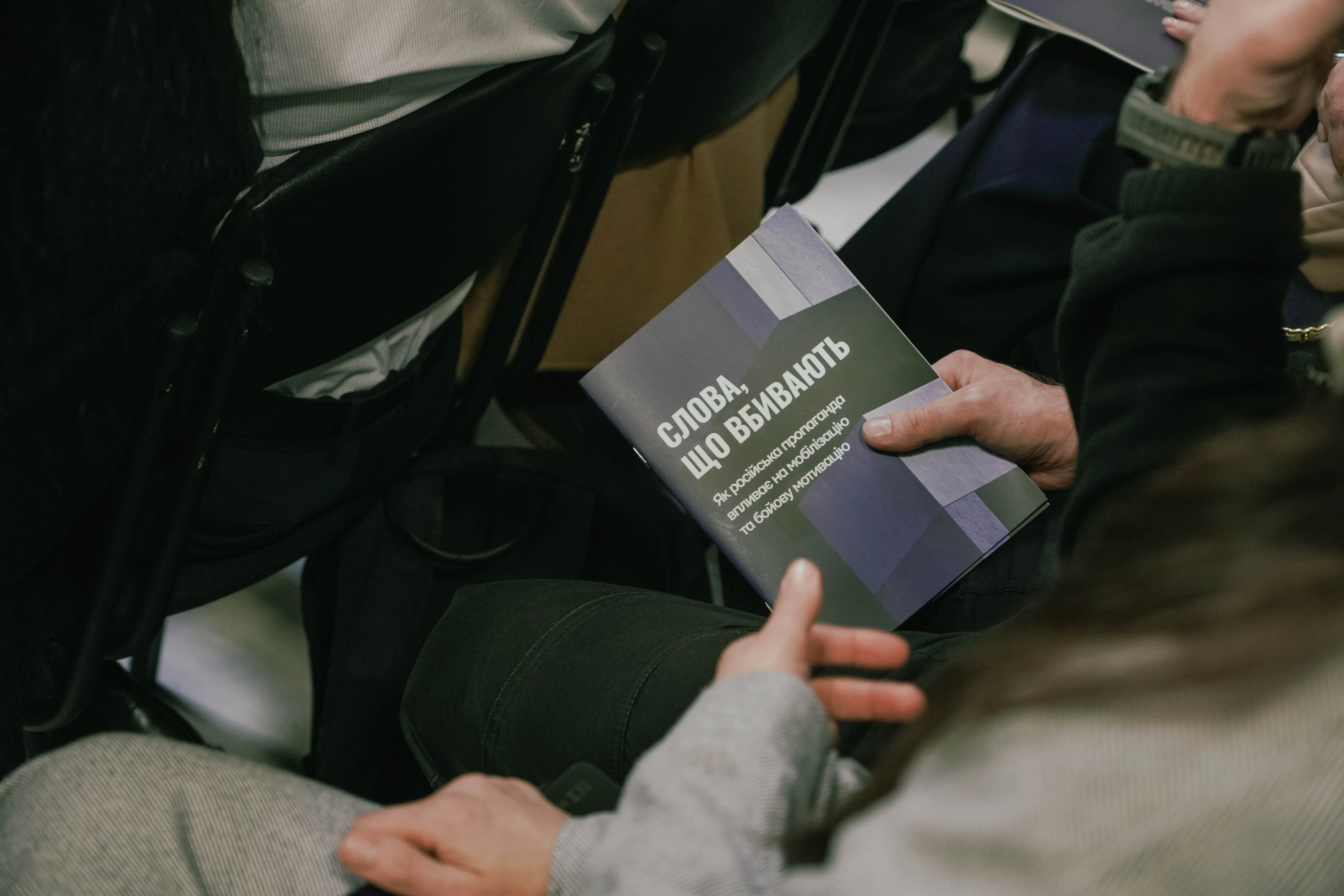
A key component of the event was the presentation of the research “Words That Kill: How Russian Propaganda Shapes Mobilization and Combat Motivation” based on a survey of 1,060 Russian prisoners of war, delivered by Olena Metelkina, representative of the Office of the Prosecutor General, and Jais Adam-Troian, President of the European Association of Military Social Psychology. The study combines legal analysis with psychometric methods and demonstrates the correlation between exposure to propaganda and levels of support for the war, willingness to participate in hostilities, remobilization, and processes of dehumanization. The findings showed that propaganda functions not only as informational support, but also as a mechanism of mobilization and legitimization of violence.
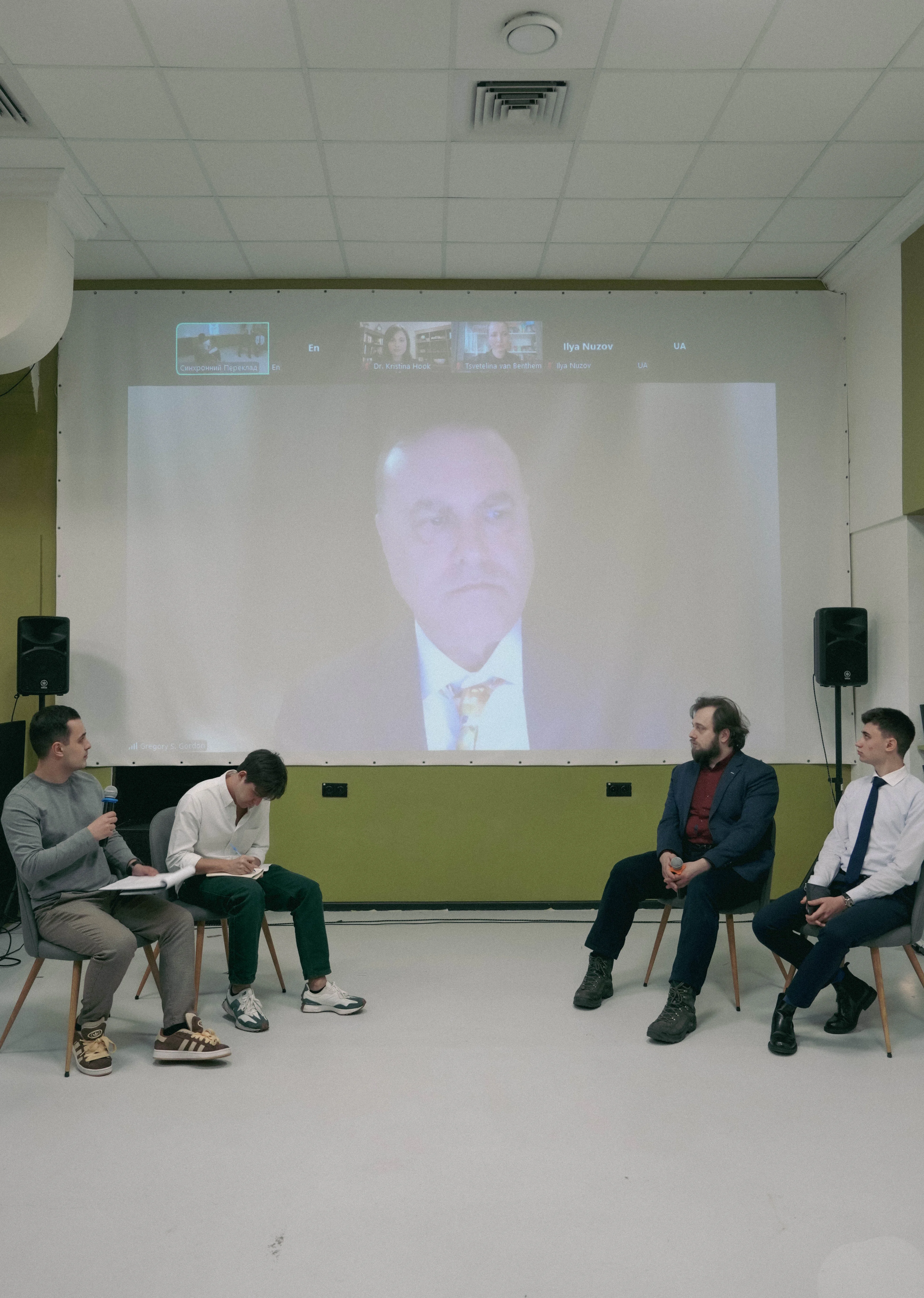
During the first panel discussion, moderated by PhD in International Law Kyrylo Dymov, experts including Professor of Law, former Legal Officer for the Office of the Prosecutor of the ICTR, former prosecutor with the US Department of Justice, Criminal Division, Office of Special Investigations, Advisor for LingvaLexa Gregory Gordon; Ukraine Program Manager of Legal Action Worldwide Daniil Ukhorskiy; Expert in Cognitive Security Ostap Ukrainets; Nonresident Senior Fellow at the Atlantic Council, Assistant Professor of Conflict Management at Kennesaw State University Kristina Hook; Senior Legal Advisor at The Reckoning Project Tsvetelina van Bentem; and Associate in the Dispute Resolution Practice at Mitrax Law Firm Fedir Kolosov — focused on a comprehensive analysis of the nature of war propaganda and tools to respond to it.
Participants discussed historical precedents, including the Nuremberg Trials and the genocide in Rwanda, which demonstrate the decisive role of propaganda in incitement to mass atrocities. They also examined contemporary mechanisms shaping public perception of war through ideological narratives, cultural patterns, and prior audience experiences. Particular attention was paid to the potential application of universal jurisdiction to prosecute individuals involved in propaganda, the analysis of international legal frameworks in this area and their limitations, as well as the interrelation between propaganda and incitement to genocide as part of a broader social mechanism facilitating mass crimes. In this context, the role of sanctions as an additional tool to enhance accountability alongside criminal law mechanisms was also discussed.
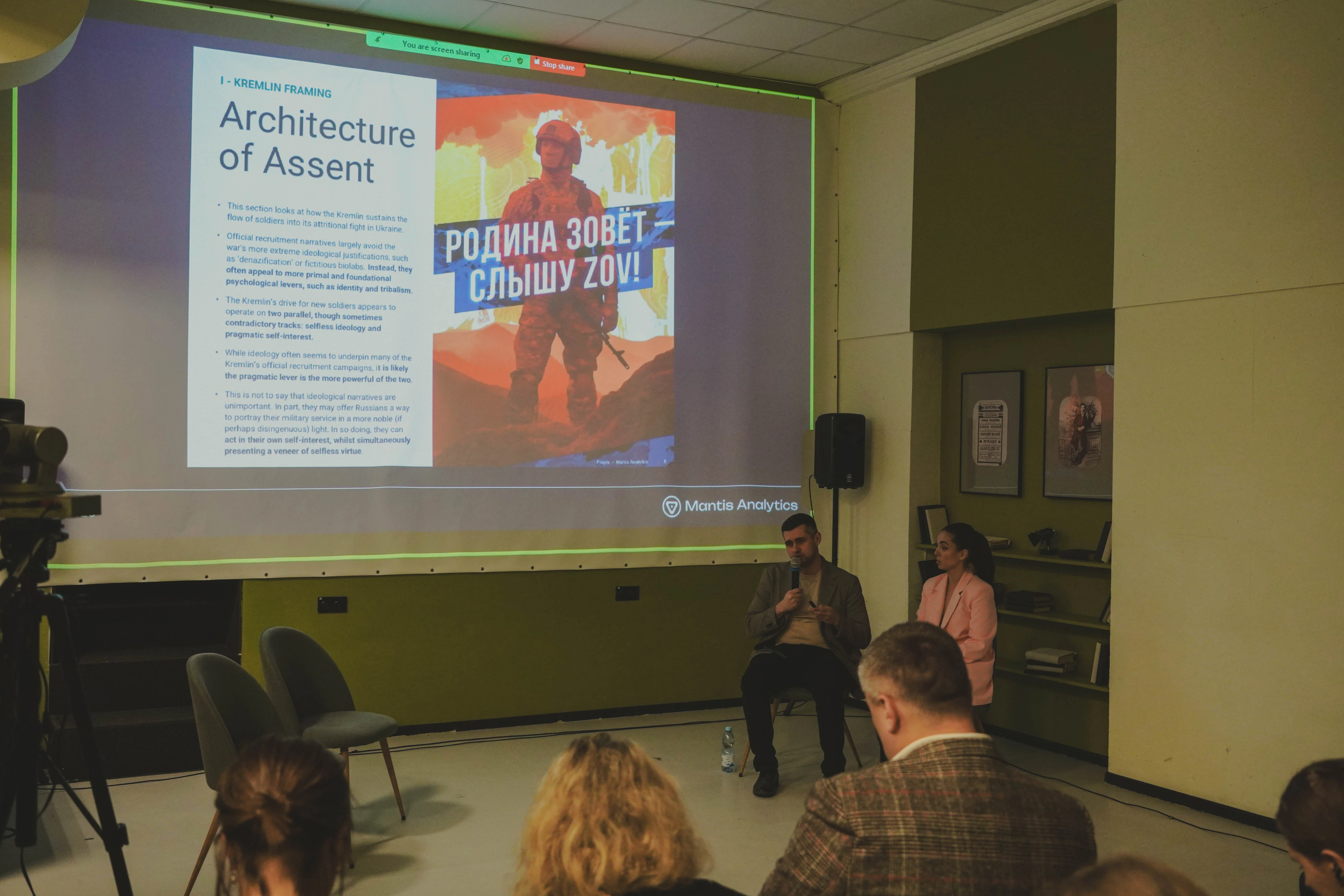
Special attention was given to the role of modern technologies in studying the motivations of participants in war. In his presentation, Mantis Analytics analyst Andrii Olenin introduced an approach to using artificial intelligence for analyzing behavioral and communication data, enabling the reconstruction of motivational models even in the absence of direct access to perpetrators.
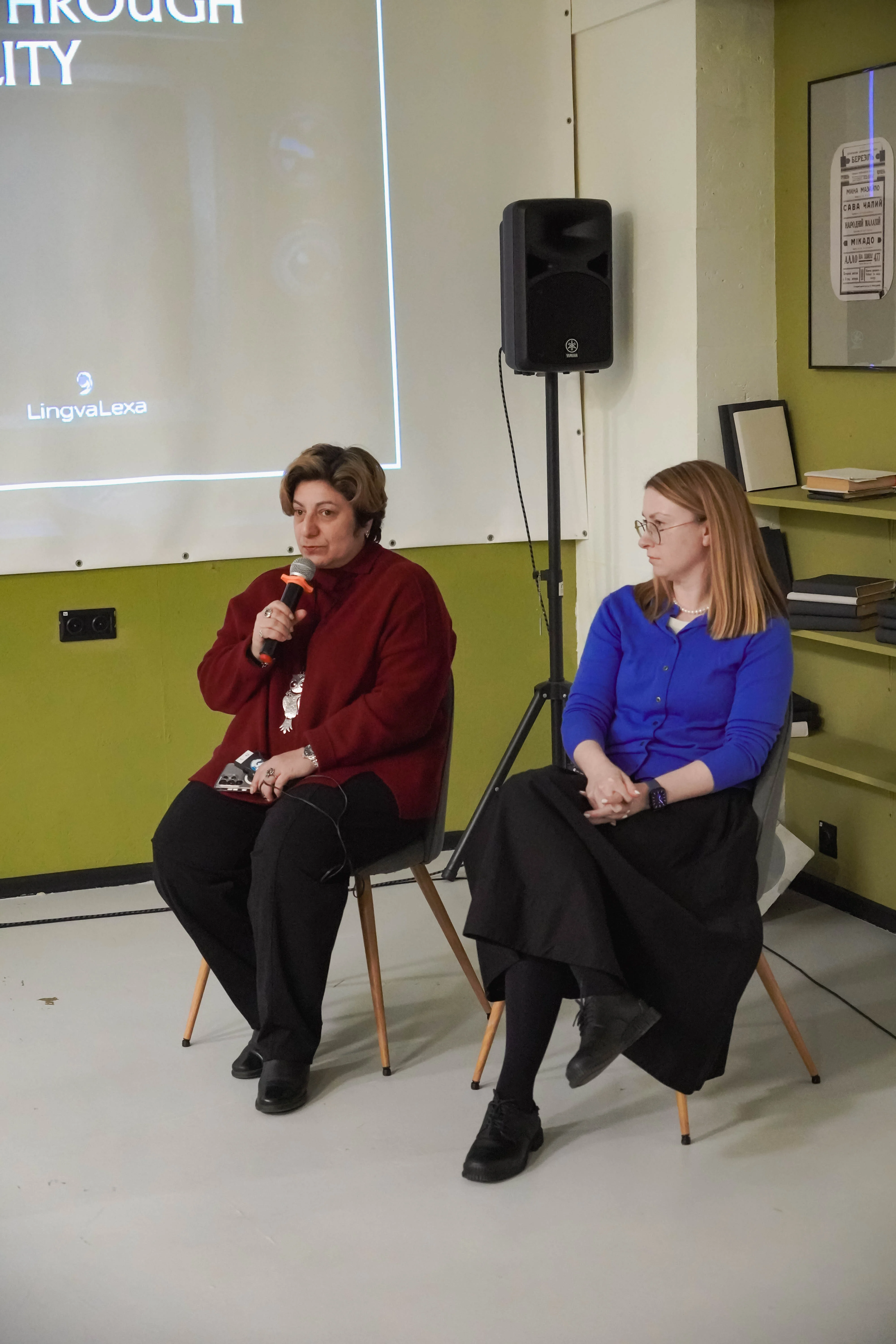
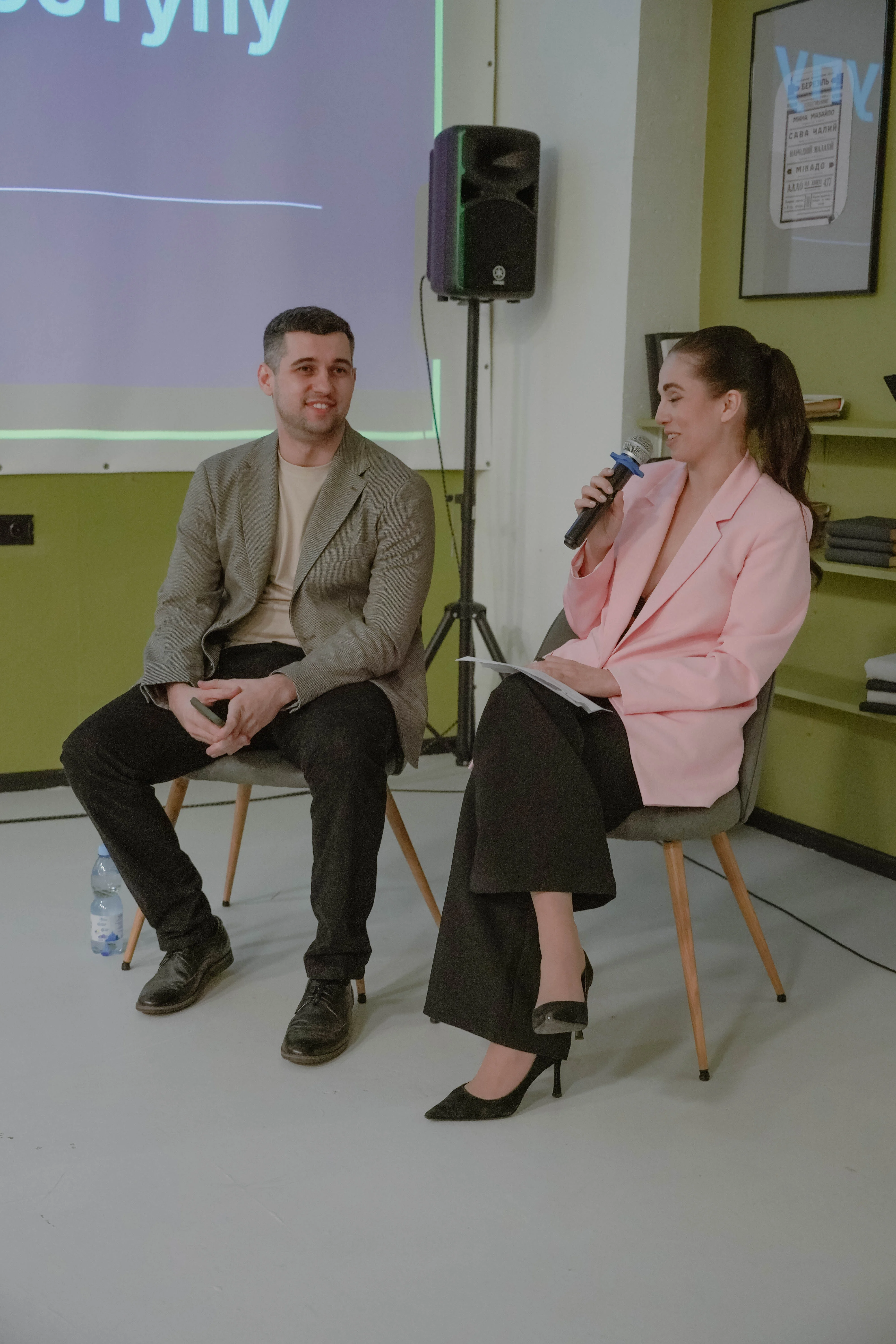
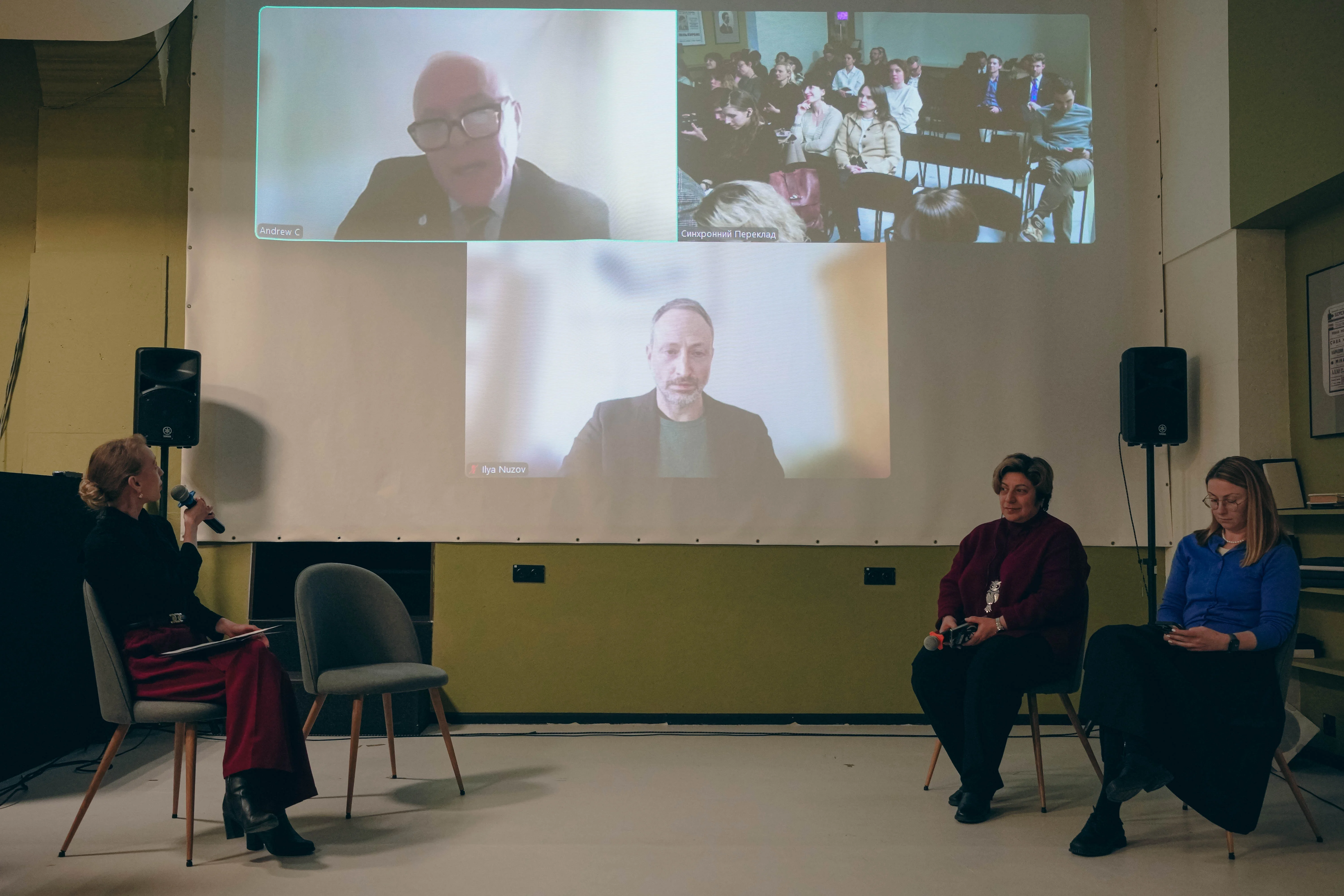
The second panel discussion, moderated by PhD in International Law and legal expert at the Regional Center for Human Rights Kateryna Rashevska, focused on building a comprehensive system of accountability for propaganda. Participants included Former Chief Prosecutor of the ECCC, former Senior Prosecuting Counsel at the ICC and ICTY and former Chief Military Prosecutor of the United Kingdom Andrew Cayley; Director of the Institute for National Resilience and Security Rena Marutyan; Head of Eastern Europe and Central Asia Desk at the International Federation for Human Rights Ilya Nuzov; and Director of NGO “Social Action Centre” Irena Fedorovych.
The discussion focused on practical aspects of holding individuals accountable for propaganda as an element of broader international crimes, particularly through the lens of persecution as a crime against humanity and its applicability to ideologues and architects of hate propaganda. The discussion also addressed the concept of cognitive warfare as a new dimension of modern conflicts, its tools and manifestations in the context of the war against Ukraine. Particular attention was paid to the practice of documenting such crimes, including experience in preparing communications to the International Criminal Court, challenges in evidence collection, and proving discriminatory intent as a key element of international crimes. In this context, participants emphasized the need to develop methodologies for documenting and legally qualifying propaganda as part of persecution mechanisms and broader criminal policies.
In concluding the discussion, Anna Vyshniakova stressed that developing effective approaches to accountability for war propaganda requires cross-sectoral cooperation and further development of the evidentiary base, enabling the integration of this phenomenon into the practice of international criminal law. The event demonstrated growing international interest in the topic and marked an important step toward institutionalizing approaches to countering propaganda as a factor contributing to international crimes.
The event was organized by NGO LingvaLexa with the support of the Askold and Dir Fund, administered by ISAR Ednannia within the framework of the project “Strong Civil Society of Ukraine – Driver of Reforms and Democracy,” funded by Norway and Sweden.